Wondering if your living space really needs ductwork inspection? Many residents overlook the hidden buildup of pollutants in their ventilation system, only to later suffer from poor airflow efficiency. Professional duct cleaners can uncover what’s lurking behind the walls—and how it impacts your energy bills.
- Residential air duct cleaning improves indoor air quality
- Pest control in ducts tackles contaminants at the source
- Affordable air duct service fits budgets
From ventilation system maintenance to air purification systems, the right service makes all the difference. Don’t wait for symptoms—find out what certified care can do for your indoor environment.
Understanding Ventilation System Cleaning
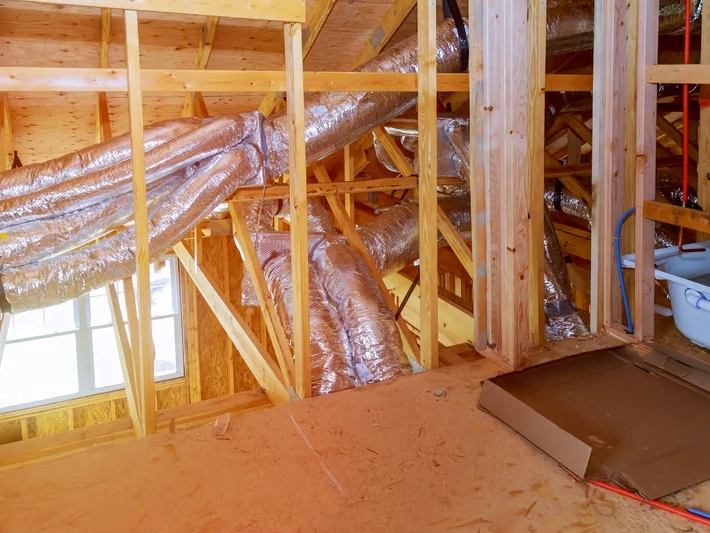
Purpose Behind Certified HVAC System Cleaning
Professional ventilation system purification involves the deep removal of contaminants and microbial growth from your commercial property’s ventilation network. This essential service enhances breathing safety while ensuring optimal system functionality. Many property managers choose HVAC cleaning to reduce respiratory risks.
- Destroys dust from air handlers
- Enhances furnace duct cleaning
- Lowers ventilation issues
- Readies ducts for post-construction duct cleaning
How HVAC Ventilation Networks Operate
Climate control installations distribute heated air through a web of vents to regulate temperature in homes. Over time, pollen and moisture can gather in the ductwork, reducing performance. Preventative ventilation system maintenance ensures steady energy efficiency, particularly in multi-zone homes.
NADCA certified experts use industrial-grade tools to diagnose your system’s condition, identifying areas in need of dryer vent cleaning. Ignoring this key component can lead to higher energy bills and reduced air quality testing.

Advantages Gained From Clean Ventilation Networks
Keeping clean ventilation ductwork delivers significant health and efficiency gains. Enhanced air purity reduces allergies, critically for sensitive individuals. Regular sanitizing ductwork also extends the reliability of your climate control equipment.
- Lowers monthly expenses via improved airflow
- Removes smoke smells with sanitizing treatments
- Minimizes microbial buildup through professional cleaning
- Optimizes home energy efficiency
Warning Indicators for HVAC System Maintenance
Could your ducts emit noticeable dirt when the HVAC runs? That’s a strong sign your ductwork require professional cleaning. Other red flags include moldy scents from vents, uneven room temperatures, or frequent allergy flare-ups. Post-construction duct cleaning also requires immediate allergen removal.
If your system filter turns clogged within weeks, it’s likely your ducts are holding contaminants. Urgent sanitizing may be needed if you mold growth. Don’t wait—delaying cleaning can increase energy costs.
Typical Air Duct Problems
Mold and Infestation in HVAC Systems
Fungus thrives in dark spaces, making cooling coils an perfect breeding ground—especially check here after condensation. This dangerous growth disperses particles into your living space, triggering allergies. Professional mold remediation use industrial methods to eradicate mold and halt its return.
- Locates hidden mold with air quality testing
- Cleans contaminated liner safely
- Applies eco-friendly sanitizers
- Repairs damaged ducts to prevent moisture entry
Buildup from Allergen Concentration in HVAC Systems
With regular use, your HVAC system accumulates buildups of pet hair, releasing these irritants each time the blower runs. This ongoing exposure can aggravate seasonal sinus issues. Allergen removal significantly reduces airborne pollutants, especially during dusty seasons.
Optimizing your filter replacement schedule can help, but it won’t eliminate existing debris deep in the vents. Only licensed HVAC technicians with industrial vacuums can completely resolve the issue. For families with allergies, residential air duct cleaning is a smart investment.
Insect Inside Vents
Insects often invade in HVAC ducts, leaving behind nesting materials that taint your ventilation. These infestations not only emit health hazards but can also chew through duct lining. Pest control in ducts is essential to ensure healthy air. Local air duct cleaners can repair entry points and purify affected areas.
- Extracts debris using HEPA-filtered vacuums
- Closes entry points with durable materials
- Sanitizes ducts to eliminate bacteria
- Implements ongoing pest prevention
Inconsistent Problems
Weak airflow from registers often signals blocked air pathways. Mold growth or collapsed ducts can significantly limit air volume. This leads to hot spots in your office and boosts energy consumption. A comprehensive ductwork inspection can identify the root cause.
Cleaned pathways often improve efficiency. In older homes, gaps in registers can squander up to 30% of conditioned air. Licensed professionals use manual sealing to fix these issues, improving home energy efficiency.
Professional HVAC System Sanitization Procedure
Comprehensive Checkup
Before any service, NADCA certified specialists conduct a comprehensive assessment using high-resolution cameras to examine the integrity of your HVAC system. This reveals leaks and helps tailor the treatment plan. Customers often realize hidden contamination during this essential step.
- Uses thermal imaging
- Examines air handler connections
- Measures contaminant levels
- Delivers before reports
Heavy-Duty Vacuum Equipment
High-efficiency suction units are connected to your ductwork to remove loose mold. These professional-grade vacuums stop contaminants from escaping your air. Unlike store-bought vacuums, these units generate enough suction to draw out deep-seated contaminants.
NADCA certified teams use sealed systems that contain pest waste during cleaning. This ensures healthier indoor air post-service. Same-day service availability often includes this critical step to maximize indoor air pollution reduction.
Flexible Cleaning Techniques
Following vacuuming, flexible brushes are inserted into the ducts to break up packed debris from the interior walls. These attachments are precisely maneuvered to avoid damage to insulation. Residential ventilation service relies on this aggressive scrubbing to fully purify the system.
- Applies flex-shaft brushes for delicate ducts
- Varies rotation based on size
- Pairs HEPA filtration
- Ensures thorough cleaning
Disinfecting Freshening Treatments
Once physically purged, ducts may receive an antimicrobial coating to eliminate lingering mold. These safe treatments support prevent future odors. For homes with pet, activated carbon filters complete the cleansing process, leaving the air cleaner.
NADCA approved products ensure long-lasting air quality. Applying protective coatings is critically beneficial after mold remediation. Many certified providers include this as part of a comprehensive duct purification package.
Selecting a Trustworthy Service Provider
Certified and Cleaning Professionals
Be sure to your air duct cleaning team includes NADCA certified who adhere to industry guidelines. These certifications confirm proper methods and professional service. Unlicensed operators may damage your HVAC unit, leading to avoidable repairs or superficial cleaning.
- Check insurance proof
- Inquire experience in industrial ducts
- Confirm use of video inspection
- Avoid companies offering ultra-low pricing
Client Testimonials
Recent customer reviews reveal the consistency of air duct service. Look for detailed comments about cleaning effectiveness. High reviews across various platforms like Google indicate a professional provider. Beware of fake reviews or sudden rating drops.
Local air duct cleaners often have strong community feedback. Same-day service availability providers with positive reviews are more likely to provide standards. Use testimonials to assess professional duct cleaners in your area.
Clear Cost Structures
Beware of hidden fees by choosing companies that offer upfront estimates. Reliable service providers disclose costs for duct sealing. Fair pricing should reflect equipment, not cut corners. Request multiple quotes to assess market costs.
- Choose free assessments
- Understand extra fees for mold remediation
- Choose providers with tiered pricing
- Avoid per-vent pricing scams
Equipment and Methods Used
The effectiveness of air duct cleaning hinges on the equipment used. Top-tier companies use truck-mounted vacuums, video inspection, and eco-friendly sanitizers. Outdated tools struggle extract packed debris. Ask if the company uses negative pressure methods—the best practice.
Modern methods include air scrubbing to improve results. Companies that commit to reliable processes are more likely to deliver satisfying purification. Always ask about their certifications before hiring service.
Cost and Service Options
Typical Air Duct Cleaning Prices
Selecting an affordable air duct service doesn’t mean sacrificing results. Most homeowners pay between $300 and $500 for home ventilation system maintenance, depending on system layout. Licensed HVAC technicians use industrial-strength tools during HVAC cleaning to ensure complete contaminant removal.
- Check quotes from professional duct cleaners
- Look into non-toxic sanitizers
- Confirm the quote includes odor removal from vents
Home vs Business Duct Cleaning Costs
Residential air duct cleaning typically costs less than office building ventilation service. The difference comes from airflow complexity, with commercial jobs often needing same-day service availability. Whether you need AC duct cleaning installed, commercial clients may also require indoor air pollution control as part of compliance.
Immediate HVAC Cleaning Availability
If your system fails or you detect severe pest infestations, rapid response air duct service can avoid long-term damage. Many professional duct cleaners offer on-call support. These urgent visits often include ventilation system maintenance to improve indoor air safety quickly.
Complete HVAC Maintenance Plans
Enhance your investment with bundled service packages that include duct sealing. Many providers offer comprehensive sanitizing ductwork upgrades for better energy savings from clean ducts. Add-ons like post-construction duct cleaning help improve system lifespan and allergen control.
- Add odor removal
- Plan duct sealing
- Choose a trusted provider
How Duct Cleaning Improves Health
Lowering Allergy and Asthma Risks
Pet dander buildup in ducts can worsen asthma and allergy symptoms. NADCA certified remove these irritants through residential air duct cleaning, leading to significant symptom relief. With allergen removal, you’ll sleep better—especially during high-pollen seasons.
- Destroy airborne contaminants
- Use high-efficiency filters
Clearing Toxins from Ducts
Indoor air pollution can be 3x higher indoors than outdoors, according to HVAC experts. Commercial duct cleaning captures bacteria before they circulate. Using professional-grade vacuums, these services clean your home’s air supply with lasting results.
Improving Home Air Quality
Clean ducts equal healthier indoor air. After AC duct cleaning, families often notice diminished coughing, sneezing, and throat irritation. With filter replacement schedule, your HVAC system distributes warmer air more efficiently, improving overall air freshness.
Removing Dust from Remodeling
Renovations stir up insulation fibers that invades your ducts. Without post-construction duct cleaning, this debris keeps circulating for months. Local air duct cleaners use industrial vacuums to eliminate contaminants, restoring breathing safety to pre-renovation levels—or better.
- Plan HVAC system flush within immediately after work ends
- Combine mold remediation
How to Keep Ducts Clean
Recommended Cleaning Frequency
Most homes benefit from residential air duct cleaning every 3 to 7 years. However, if you have pets, you may need annual service. NADCA certified can assess your system during a ductwork inspection and recommend a personalized cleaning cycle based on usage and risk factors.
Best Practices for Filter Maintenance
Changing your HVAC filter every one to three months boosts airflow. A clogged filter damages your system and allows allergens into the ducts. Use high-efficiency media types and stick to a maintenance calendar to extend your HVAC system’s efficiency.
- Monitor filters regularly, especially during summer
- Upgrade to washable filters for better air purification
Sealing and Insulating Ducts
Poorly sealed ducts can waste up to nearly one-third of conditioned air. Vent sealing with professional-grade adhesive improves home energy efficiency. When combined with ventilation system maintenance, sealing helps prevent drafts, moisture, and indoor air pollution.
Yearly HVAC Checkups
Arrange seasonal tune-ups before summer to avoid breakdowns. These visits include filter replacement and refrigerant check. Licensed HVAC technicians perform professional checks to ensure your system runs reliably year-round. Think of it as a service for your home’s breathing system.
- Check for duct damage
- Sanitize furnace to prevent buildup
- Calibrate thermostat and fan settings for comfort
Common Questions About Air Duct Cleaning Services FAQs
How Often Should I Schedule HVAC Cleaning?
Licensed NADCA certified experts recommend residential air duct cleaning every 3 to 5 years for optimal indoor air quality. However, families with allergies or recent post-construction duct cleaning may benefit from increased service to ensure mold remediation.
Will Professional Duct Cleaners Boost Ventilation Health?
Definitely, NADCA certified teams use HEPA-filtered systems to remove pollen, microbial growth, and soot that contribute to allergy flare-ups. This air purification effort can lead to improved home energy efficiency over time.
How Does Home and Business HVAC Cleaning?
Residential air duct cleaning typically serves townhouses and focuses on carbon monoxide safety. In contrast, commercial duct cleaning involves high-capacity systems requiring emergency duct cleaning readiness and often includes odor removal from vents as part of routine facility management plans.
What Triggers the Need for Immediate Vent Sanitizing?
- Flood aftermath in air handlers demands immediate sanitizing ductwork
- Pest infestations inside ducts require emergency duct cleaning
- Chemical spills calls for deep to restore ventilation health
Will Duct Sealing Improve Lower Utility Bills?
Definitely that sanitized vents allows your AC unit to operate with optimal airflow. This directly contributes to extended equipment life, especially when combined with a regular ventilation system maintenance plan from trusted service providers.